For many professionals, spending most of the workday on their feet is unavoidable. Retail associates, nurses, teachers, chefs, warehouse employees, security staff, and hospitality workers can all spend hours standing, walking, and moving between tasks. Although an active job can be rewarding, prolonged standing may also cause tired feet, aching legs, and general fatigue.
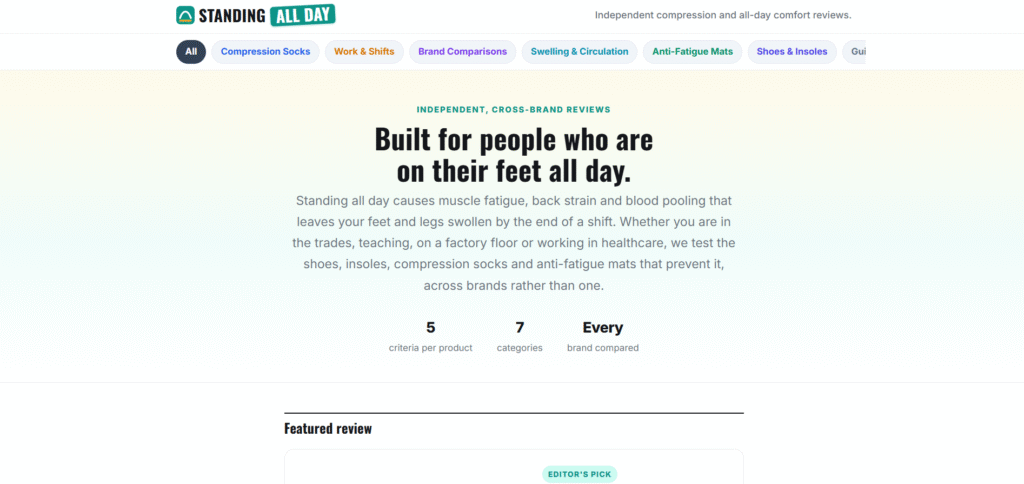
StandingAllDay.com is a strong focus for people looking for practical information about standing comfort and better workplace habits. Understanding how footwear, movement, posture, and the working environment affect the body can help people make smarter choices throughout the day.
The Importance of Standing Comfort
Comfort becomes especially important when standing is part of your everyday routine. A person who stands for several hours occasionally may recover quickly, while someone who works on their feet every day may need to pay more attention to footwear and workplace ergonomics.
The goal isn’t necessarily to eliminate every sensation of tiredness. Instead, it is about creating conditions that make long shifts more manageable.
Start With Properly Fitted Shoes
Good footwear is one of the most important considerations for anyone who spends long hours standing.
A suitable pair of work shoes should fit properly without squeezing the toes or allowing excessive movement around the heel. Depending on your occupation, you may also need features such as slip resistance, breathable materials, cushioning, or additional stability.
Before buying a pair, consider where and how you’ll use them. A shoe that works well for an office environment may not be appropriate for a restaurant kitchen or warehouse.
Don’t Ignore Your Insoles
Insoles can also influence how your feet feel during a long shift. Some people prefer additional cushioning, while others benefit more from structured support.
The right choice depends on your individual feet, shoes, and working environment. If you experience ongoing foot problems, professional advice may be more appropriate than experimenting with multiple products.
Pay Attention to Your Work Surface
A hard floor can make prolonged standing feel more demanding. If you work at a fixed station, consider whether an anti-fatigue mat is suitable for your environment.
A good mat can provide a cushioned surface under your feet and make a standing workstation feel more comfortable.
However, workplace safety should always come first. Mats should remain stable and should not interfere with walking paths or equipment.
Keep Changing Your Position
One of the simplest habits is to avoid staying in exactly the same position for too long.
Shift your weight from one foot to the other. Take a few steps when possible. Move your ankles or change the direction you’re facing.
These movements may seem insignificant, but repeatedly changing position can make a long workday feel less monotonous and physically demanding.
Maintain a Natural Posture
Good standing posture doesn’t mean forcing yourself to stand perfectly straight all day.
Instead, aim for a relaxed and balanced position. Avoid continuously leaning against one hip, locking your knees, or bending forward unnecessarily.
Your workstation should also allow you to work without constantly reaching, twisting, or bending.
Make Breaks Count
When you receive a break, use it as an opportunity to change your position.
If you’ve been standing, sitting for a while may feel good. If you’ve been standing in one location, a short walk may provide a welcome change.
Even short breaks can help divide a long shift into more manageable periods.
Stay Hydrated
Busy work environments can make it easy to forget basic needs such as drinking water.
Keeping a bottle nearby, when workplace rules allow it, can make hydration more convenient. Your individual fluid requirements vary, especially in hot environments or during physically demanding work.
Hydration is one small part of maintaining overall wellbeing during a long shift.
Wear Comfortable Socks
Socks can have a surprisingly noticeable effect on your feet.
Choose socks that fit properly and avoid materials or designs that create uncomfortable pressure points. In warm working environments, breathable or moisture-managing materials may help keep your feet more comfortable.
Clean, dry socks can also reduce friction during long periods of activity.
Give Your Feet Time to Recover
Recovery after work is just as important as preparation before work.
Once your shift ends, remove your work shoes and give your feet a chance to relax. Sitting down, changing into comfortable footwear, or performing gentle movements can become part of your evening routine.
If your legs regularly feel unusually tired or painful, consider whether your footwear, workload, posture, or working environment needs to be evaluated.
Improve Your Workplace Setup
A well-organized workplace can reduce unnecessary physical effort.
Keep frequently used tools and products close to where you need them. Adjust the height of your work surface if possible. Try to avoid repetitive bending or reaching for items throughout the day.
These changes may seem small, but repetitive movements performed every day can add up.
Know the Difference Between Fatigue and Pain
Feeling tired after a long shift is common. Persistent or severe pain is different.
If discomfort continues even after resting or changing your work habits, consider talking with a qualified healthcare professional. Symptoms that are sudden, severe, or accompanied by significant swelling, numbness, or weakness should receive appropriate attention.
Your body should not be expected to simply adapt to ongoing pain.
A Better Approach to Long Shifts
The StandingAllDay.com concept is ultimately about creating a more informed approach to working on your feet.
Instead of depending on one solution, consider the entire working experience. Comfortable shoes, suitable socks, supportive surfaces, regular movement, proper posture, organized equipment, hydration, and recovery can all contribute to a better routine.
What works for one person may not work for another, so it’s important to consider your occupation and individual needs.
Conclusion
Long hours on your feet can be challenging, but small changes can make a meaningful difference. Start by choosing footwear that fits well, then look at your standing surface, posture, workstation, movement habits, and recovery routine.
StandingAllDay.com provides a memorable focus for exploring practical strategies related to prolonged standing and everyday workplace comfort. By paying attention to your body and making sensible adjustments, you can create a routine that feels more manageable from the beginning of your shift to the end.