
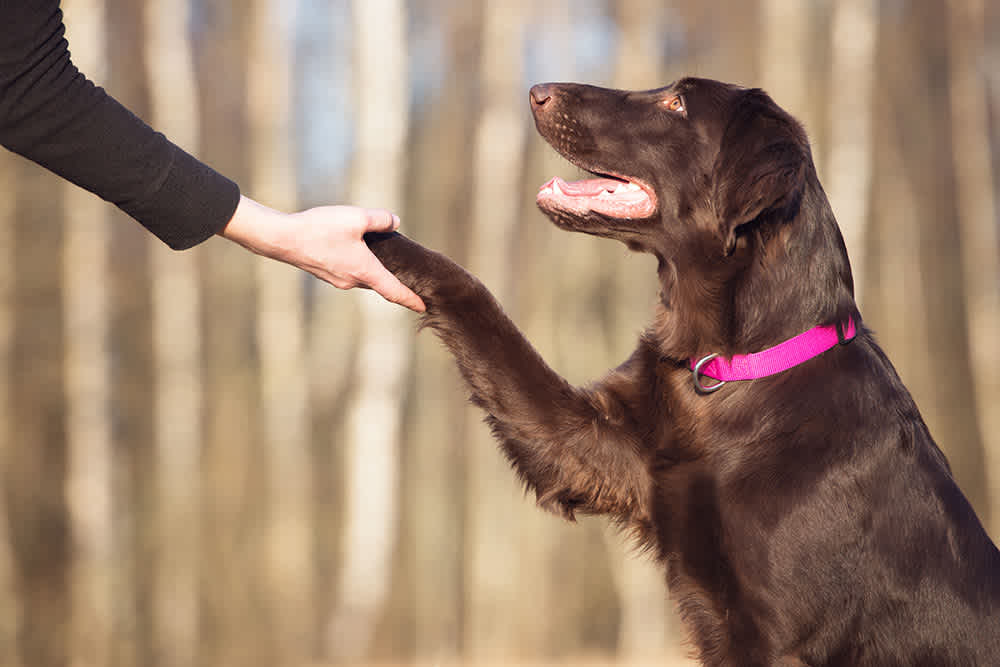
When it comes to spending quality time with your dog, few tools are as essential as a reliable dog training leash. At Rob’s Dog Training, we understand that a leash is not just a piece of equipment, it’s a bridge that connects you with your dog, giving both of you freedom, safety, and trust during walks and training sessions. Using the right techniques with a leash can make a dramatic difference in your dog’s behavior, confidence, and overall happiness.
For many pet owners, walks are more than just a chance to exercise, they are an opportunity to communicate with your dog and reinforce good behavior. A well-chosen leash allows us to guide our dogs calmly, prevent unwanted habits like pulling, and ensure that both the dog and owner feel confident outside the home. But leash training is more than a mechanical task, it is a form of communication that, when done correctly, strengthens the bond between you and your canine companion.
Choosing the Right Dog Training Leash
Selecting the right leash is the first step toward successful training. Leashes come in a variety of materials, lengths, and styles, each suited for different training purposes:
- Standard Leash: Often made from nylon or leather, these leashes are durable and ideal for everyday walks. They provide control while keeping your dog close.
- Adjustable Leash: With adjustable lengths, these leashes give flexibility during training, allowing us to teach distance control or recall commands.
- Retractable Leash: While offering more freedom, retractable leashes require careful handling. They can be useful for practicing recall but should be used with attention to safety.
When selecting a leash, consider your dog’s size, strength, and temperament. A leash that is too thin may break during training, while a leash that is too heavy could be uncomfortable for smaller dogs. Our goal is to ensure both you and your dog feel comfortable and confident every time you step outside.
Starting with Basic Leash Training
Before venturing into crowded areas or long walks, it’s crucial to start with foundational leash training at home or in a quiet outdoor space. Here’s a step-by-step approach we recommend:
- Introduce the Leash Positively: Allow your dog to sniff and become familiar with the leash. Use treats and praise to create a positive association.
- Practice Walking Indoors: Begin walking with your dog on the leash in a familiar environment. Reward calm behavior and attention to your movements.
- Encourage Loose-Leash Walking: A tight leash often leads to frustration for both you and your dog. Stop moving when your dog pulls and resume walking when the leash is slack. This teaches your dog that staying close brings rewards.
- Use Consistent Commands: Words like “let’s go” or “heel” help your dog understand what is expected. Consistency is key to reinforcing good behavior.
- Gradually Increase Distractions: Once your dog is comfortable, practice in areas with mild distractions such as quiet parks or streets. This prepares your dog to remain focused in busier environments.
Leash training is not an overnight process, but with patience and consistency, your dog will start walking calmly and attentively, making your outdoor time enjoyable for both of you.
Correcting Common Leash Issues
During leash training, you may encounter common issues such as pulling, lunging, or refusing to walk. Each problem has its solutions:
- Pulling: Stop walking when the leash is taut. Resume walking only when the leash is slack. Praise your dog for following calmly.
- Lunging at Distractions: Redirect your dog’s attention with treats, a change in direction, or gentle verbal cues. Avoid harsh corrections, as these can cause anxiety or fear.
- Refusal to Walk: Some dogs hesitate due to nervousness or unfamiliar surroundings. Take small steps, use treats for encouragement, and create a sense of security with calm body language.
Remember, these challenges are opportunities to strengthen your communication. A leash is not a tool for punishment, it is a way to guide and reassure your dog while reinforcing positive behavior.
Integrating Leash Training with Overall Obedience
Leash training is closely linked to overall obedience and behavioral training. Practicing commands such as “sit,” “stay,” and “come” while on a leash helps your dog respond reliably in different situations. We find that integrating leash work with obedience training creates a more confident and well-behaved dog. It also allows us to address any underlying behavioral issues, such as anxiety or overexcitement, in a controlled manner.
During walks, use opportunities to reinforce commands:
- Ask your dog to sit at intersections or when greeting other dogs.
- Practice recalls in safe, enclosed areas.
- Reward calm behavior consistently, so your dog understands what is expected.
This integration ensures that leash training is not an isolated task but part of a broader plan to improve your dog’s overall behavior and responsiveness.
Safety Considerations for Leash Training
Safety should always be a priority. Here are key points to keep in mind:
- Proper Fit: Ensure your dog’s collar or harness fits securely but comfortably. Avoid collars that are too tight or harnesses that restrict movement.
- Avoid Overly Long Leashes in Crowded Areas: Long leashes can increase the risk of entanglement or accidents. Use a shorter leash in busy environments for better control.
- Monitor Your Dog’s Comfort: Dogs may become stressed or tired. Take breaks when needed, and watch for signs of discomfort or overheating during warm weather.
- Be Visible: If walking in low-light conditions, use reflective leashes or accessories for visibility.
By considering safety, you not only protect your dog but also create a positive training experience that encourages cooperation and trust.
Making Walks Enjoyable
A leash should support positive interactions, not just control. Walking provides mental stimulation, physical exercise, and opportunities for bonding. Here’s how to make walks enjoyable for both you and your dog:
- Allow short sniffing breaks, which provide enrichment and satisfy natural instincts.
- Keep walks varied in route and scenery to maintain interest.
- Use gentle praise and rewards for good behavior, reinforcing the connection between obedience and positive outcomes.
When walks are enjoyable, dogs are more motivated to cooperate, and leash training becomes a natural, stress-free part of your daily routine.
Consistency and Patience
Consistency is the cornerstone of successful leash training. Set aside dedicated time each day for practice, remain patient, and celebrate small victories. Even a few minutes of focused training can lead to steady improvements over time. By maintaining a calm, structured approach, you help your dog develop confidence and learn that walking calmly on a leash is both rewarding and expected.
At Rob’s Dog Training, we emphasize that leash training is not a single session or quick fix, it is a long-term commitment to communication, safety, and trust. When we approach leash work with consistency and patience, we create a foundation for a happy, well-behaved dog who enjoys spending time with us outdoors.
Final Thoughts on Dog Training Leash
A proper dog training leash is more than a simple tool, it is a means to build connection, trust, and confidence with your dog. By choosing the right leash, practicing consistent techniques, and integrating obedience training, we can create an enjoyable and safe walking experience that strengthens the bond between owner and pet.
If you are ready to improve your walks and deepen your relationship with your dog, consider how your leash use reflects your approach to training. Every tug, pause, and step is an opportunity to communicate clearly and positively with your dog. By staying consistent and patient, leash training becomes a rewarding part of your daily routine.
At Rob’s Dog Training, we are committed to helping pet owners like you achieve success with their dogs. A proper dog training leash is the first step toward more enjoyable walks, improved behavior, and a stronger bond. Visit us at https://robsdogs.com/ to learn more about our programs and techniques designed to support you and your dog every step of the way.