Introduction
Technology has become an essential part of everyday life, influencing how people communicate, work, study, shop, and entertain themselves. From smartphones and laptops to smartwatches, wireless earbuds, and smart rings, modern gadgets offer convenient ways to manage daily activities and stay connected. However, with countless products available on the market, choosing the right device can be challenging. This is where gadget and tech reviews become valuable resources for consumers.
Reliable technology reviews help people understand product features, performance, design, durability, and overall value before making a purchase. Instead of relying entirely on advertisements or promotional descriptions, buyers can explore practical information that helps them make informed decisions. Whether someone is searching for a powerful laptop, an affordable wearable, or a useful smart home accessory, comprehensive reviews can simplify the selection process.
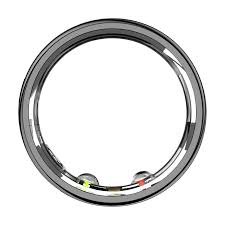
Wearable technology is particularly interesting because it combines compact designs with features that support convenience and personal activity tracking. For example, consumers researching the Colmi R10 smart ring UK can explore product specifications, compatibility, battery performance, and available tracking functions before deciding whether it suits their needs. Similarly, people looking for a budget smart ring with heart rate tracking can use detailed reviews to compare affordable options and understand which features offer genuine value.
Why Gadget and Tech Reviews Matter
Helping Consumers Make Informed Decisions
Purchasing technology involves more than choosing a product with an attractive appearance. A device may look impressive but fail to meet a buyer’s expectations in everyday use. Reviews provide additional context by explaining how features work, what limitations users should consider, and whether a product is suitable for particular needs.
For example, someone buying a smartphone might prioritize camera quality, battery life, storage, and software support. Another person may focus on gaming performance or affordability. A well-structured review examines these factors so readers can identify products that match their individual requirements.
The same principle applies to wearable technology. Smart rings, fitness trackers, and smartwatches offer different combinations of features. Reading reviews helps consumers understand these differences before spending their money.
Comparing Features and Specifications
Technical specifications can sometimes feel confusing, especially for people who are unfamiliar with modern devices. Reviews translate complicated information into practical explanations.
A smartphone’s processor, for instance, affects how efficiently it handles applications and demanding tasks. Battery capacity provides an indication of potential usage time, although actual performance depends on several factors. Similarly, the sensors included in a wearable device determine which measurements it can collect.
When comparing smart rings, consumers should investigate sensor capabilities, supported measurements, smartphone compatibility, charging requirements, and the manufacturer’s stated battery life. These details help buyers understand whether a particular product offers the functions they expect.
Understanding Real-World Performance
Manufacturers generally highlight the strongest aspects of their products. Although specifications are useful, they do not always explain how a device performs during ordinary activities.
Independent reviews can provide practical information about comfort, responsiveness, ease of setup, software reliability, and everyday usability. They may also discuss limitations that are not immediately obvious from a product listing.
This information allows shoppers to develop realistic expectations and avoid purchasing devices based only on attractive marketing claims.
Exploring Different Categories of Technology Products
Smartphones and Mobile Accessories
Smartphones remain among the most widely used technology products. They combine communication, photography, navigation, entertainment, productivity, and internet access in a single device.
When reading smartphone reviews, consumers should consider display quality, processing power, camera performance, charging speed, battery endurance, and software updates. Security support is another important consideration because regular updates help protect devices against known vulnerabilities.
Accessories also deserve attention. Wireless chargers, protective cases, power banks, and Bluetooth headphones can improve the smartphone experience. Reviews help consumers compare compatibility, build quality, and practical benefits across different price ranges.
Laptops and Computers
Laptops serve students, professionals, content creators, and gamers. However, different users require different combinations of performance, portability, and affordability.
A student may benefit from a lightweight laptop with dependable battery life, while a video editor may need a powerful processor, sufficient memory, and a capable graphics system. Reviews explain these differences and help buyers choose suitable configurations.
Consumers should also examine keyboard comfort, display resolution, available ports, storage capacity, cooling performance, and warranty coverage. These details can make a substantial difference to long-term satisfaction.
Smartwatches and Fitness Trackers
Wearable technology has expanded beyond traditional watches. Modern devices can display notifications, record workouts, monitor selected health-related measurements, and help users review their daily activity.
Smartwatches generally offer larger displays and more interactive functions, while fitness trackers often focus on activity monitoring and compact designs. Smart rings provide another option for people who prefer a small wearable without a screen.
Reviews should explain the strengths and limitations of each category. They should also distinguish between measurements intended for general wellness and medical-grade assessments, since consumer wearables are not necessarily substitutes for professional medical equipment.
Smart Rings and Compact Wearables
Smart rings have attracted attention because they combine a discreet form factor with electronic sensors and smartphone connectivity. Depending on the model, features may include activity tracking, sleep-related measurements, heart rate monitoring, or other wellness functions.
Their compact construction makes comfort and sizing especially important. A ring that fits poorly may be uncomfortable during daily activities and could affect the consistency of sensor readings.
Before purchasing a smart ring, consumers should examine its supported functions, operating-system compatibility, companion application, water-resistance rating, charging method, and data-handling practices.
People exploring the Colmi R10 smart ring UK should verify the exact specifications provided by the seller and manufacturer. Availability, included features, warranty conditions, and compatibility may differ between listings or markets, so checking current product information is essential.
How to Evaluate a Technology Review
Look for Detailed Product Information
A useful review should explain what a device offers instead of simply declaring it excellent or disappointing. Readers should look for descriptions of its major features, intended audience, strengths, weaknesses, and price category.
For example, a review of wireless earbuds should discuss sound quality, microphone performance, battery life, fit, and connection stability. A smart ring review should focus on its sensors, supported measurements, comfort, application experience, and charging arrangements.
Detailed explanations make reviews more helpful than brief promotional statements.
Check Whether Testing Methods Are Clear
Trustworthy reviews explain how products were evaluated. A reviewer might describe testing battery endurance under specific conditions, comparing camera results in different lighting environments, or assessing wearable comfort during ordinary activities.
Testing conditions matter because results can vary according to settings, usage habits, software versions, and environmental factors.
Consumers should be cautious when a review makes strong performance claims without explaining how those conclusions were reached. Transparent methods make it easier to judge whether the findings are relevant to personal needs.
Identify Advantages and Disadvantages
Every technology product involves compromises. An affordable device may provide excellent basic functionality but lack advanced customization. A premium product may offer additional capabilities that some consumers will rarely use.
Balanced reviews explain both benefits and limitations. This approach helps readers decide whether a product’s disadvantages matter for their intended use.
When evaluating a smart ring, for example, buyers might appreciate its compact size but dislike the absence of a display. Others may prefer the lightweight design and find that a screen-free wearable meets their needs perfectly.
The best product is not necessarily the most expensive or feature-rich option. It is the device that offers the right combination of functionality, usability, and value.
Finding the Best Budget Technology Products
Understanding Value for Money
Affordable technology can deliver impressive convenience when consumers understand which features matter most. However, the lowest purchase price does not always represent the best overall value.
Buyers should consider product reliability, warranty coverage, software support, replacement costs, and the availability of customer service. A slightly more expensive device may be a better choice if it offers greater durability or more dependable support.
Comparing products within similar price ranges can reveal which models provide the strongest combination of useful features and reasonable costs.
Choosing a Budget Smart Ring
Consumers interested in a budget smart ring with heart rate tracking should begin by identifying their priorities. Some people want basic activity information, while others are more interested in reviewing sleep patterns or selected wellness measurements.
The next step is to verify that the ring actually supports the required functions. Not every smart ring includes the same sensors, and a product listing may describe capabilities that differ by model or software version.
Buyers should also investigate whether the companion application is available for their smartphone, whether essential features require a subscription, and how collected data is stored or shared.
Battery performance deserves attention as well. Manufacturers may publish estimated battery life, but actual results can vary according to sensor activity, connection frequency, application settings, and charging habits.
A careful comparison helps consumers avoid paying for unnecessary features while ensuring that the selected device meets their expectations.
Avoiding Misleading Discounts and Claims
Online technology marketplaces frequently display discounts, promotional offers, and limited-time deals. Although some offers provide genuine savings, consumers should compare prices across reputable sellers before making a decision.
They should also verify seller credibility, return policies, product authenticity, and warranty terms. Extremely attractive offers may involve outdated models, incomplete accessories, or unclear after-sales support.
Reviews can provide helpful context, but buyers should not treat every positive comment as proof of quality. A combination of independent testing, verified customer feedback, and official specifications offers a stronger basis for making a purchase.
The Importance of Customer Reviews
Learning From Other Buyers
Customer reviews offer insights into how technology products perform after purchase. Buyers may discuss packaging, setup difficulties, customer service, long-term reliability, or problems that became noticeable after several weeks of use.
These experiences can complement professional reviews, particularly when a device depends heavily on a companion application or ongoing software support.
However, customer feedback should be interpreted carefully. Individual experiences may differ because of personal expectations, device compatibility, or varying usage patterns.
Recognizing Genuine Feedback
Useful customer reviews typically include specific details about the product and explain the circumstances behind the user’s experience. Statements describing actual functions, limitations, or compatibility issues are often more informative than vague praise.
Consumers should look for recurring patterns across multiple reviews. If numerous buyers report the same problem, that pattern may deserve attention. A single negative comment, however, does not necessarily mean a product is unreliable.
The date of a review also matters because manufacturers sometimes improve devices through firmware updates or release revised versions.
Combining Professional and Customer Opinions
Professional reviewers often provide structured testing and technical comparisons, while everyday users explain how products fit into their routines.
Using both sources gives shoppers a broader perspective. For instance, a reviewer might explain a smart ring’s available sensors, while customer feedback may discuss sizing, comfort, or the usefulness of its mobile application.
Combining these viewpoints helps consumers evaluate products more realistically.
Technology Reviews and Everyday Wellness
Understanding Heart Rate Tracking
Heart rate tracking is a common feature in wearable technology. Optical sensors in supported devices generally estimate heart rate by measuring changes in light reflected from blood flow beneath the skin.
These measurements can help users observe general patterns during rest and activity. However, readings may be affected by movement, sensor placement, fit, skin characteristics, and device design.
Anyone considering a budget smart ring with heart rate tracking should check whether the manufacturer explains how its sensor works and which measurement modes are available.
It is also important to understand that consumer wearables can produce inaccurate readings. Their results should not be treated as a medical diagnosis or as a replacement for professional advice when health concerns arise.
Reviewing Sleep and Activity Features
Some smart rings and other wearables offer sleep-related estimates, activity summaries, and daily movement statistics. These features can help users recognize general patterns and reflect on their routines.
Nevertheless, the availability and accuracy of each function vary by device. Reviews should explain what is actually measured, what is estimated, and whether the product requires regular charging or smartphone synchronization.
Consumers should also examine how easily they can access historical data and whether the application presents information in a clear, understandable format.
Considering Privacy and Data Security
Wearable devices may collect personal information, including activity records, heart rate measurements, and sleep-related data. Understanding how this information is handled is an important part of choosing a product.
Before buying, consumers should read the manufacturer’s privacy policy and investigate what information the application collects, whether data is shared with third parties, and what controls are available.
Strong account security, appropriate permissions, and transparent data practices contribute to a better overall technology experience.
The Role of Software and Compatibility
Why Companion Applications Matter
Many modern gadgets depend on software to provide their full range of features. Smart rings, wireless accessories, and fitness trackers may use companion applications for setup, synchronization, notifications, and data analysis.
A device with capable hardware may still disappoint if its application is difficult to use or receives infrequent updates.
Reviews should therefore examine software usability alongside physical design and technical specifications. Consumers should also check recent application ratings and verify compatibility with their current smartphone.
Firmware Updates and Long-Term Support
Firmware updates can improve stability, fix problems, and sometimes introduce additional functions. However, support policies differ among manufacturers and product categories.
Before purchasing an unfamiliar gadget, consumers should investigate whether the manufacturer provides updates, publishes troubleshooting guidance, and offers a reliable way to contact customer support.
Long-term support is particularly relevant when a product depends on cloud services or a mobile application. A device’s usefulness may change if important software services are discontinued.
How to Discover Reliable Technology Review Websites
Explore Multiple Trusted Sources
No single review website can cover every product equally well. Some specialize in smartphones and computers, while others focus on wearable devices, home technology, or consumer accessories.
Reading several sources helps consumers compare testing approaches and identify areas of agreement or disagreement.
When researching the Colmi R10 smart ring UK market, shoppers can consult the manufacturer’s documentation, reputable technology publications, and detailed customer feedback. They should compare the information carefully instead of assuming that one review answers every question.
Understand Sponsored Content
Some technology websites publish sponsored articles or affiliate-supported reviews. These arrangements do not automatically make their content unreliable, but readers should understand how commercial relationships may influence recommendations.
Transparent websites disclose sponsorships, affiliate links, or supplied review products. Consumers should be cautious when an article contains only positive statements and does not discuss meaningful limitations.
Independent evidence, clearly explained testing, and balanced analysis are stronger indicators of useful review content than enthusiastic language alone.
Focus on Current Information
Technology products evolve quickly. Specifications, prices, software compatibility, and warranty arrangements may change over time.
An older review might still explain a device’s general design, but its pricing information or compatibility advice may no longer be accurate.
Readers should check publication dates and confirm important details through current manufacturer information or the retailer’s latest listing before purchasing.
Building a Smarter Technology Shopping Strategy
Define Your Requirements First
Before comparing gadgets, create a short list of essential features. Consider how the device will be used, which functions are necessary, and how much you are comfortable spending.
For a smart ring, priorities might include reliable smartphone compatibility, a comfortable fit, heart rate tracking, understandable activity summaries, and reasonable battery performance.
Having clear requirements makes it easier to ignore unnecessary features and compare products fairly.
Compare Total Ownership Costs
The purchase price is only one part of the cost of owning technology. Additional expenses may include subscriptions, replacement chargers, accessories, repairs, or shipping.
Consumers buying wearable devices should check whether essential functions are included in the original price or require a paid membership. They should also review return periods and warranty conditions before placing an order.
This broader approach helps shoppers understand the actual value of a product rather than focusing entirely on its advertised discount.
Make the Final Decision Carefully
Once several promising products have been identified, compare their strongest features, limitations, support policies, and independent testing results.
Avoid rushing into a purchase because of limited-time marketing messages. Take time to verify the model number, seller reputation, compatibility, and return policy.
A careful process reduces uncertainty and increases the likelihood of choosing a product that remains useful over time.
Conclusion
Gadget and tech reviews play an important role in helping consumers discover technology products that match their needs, expectations, and budgets. By examining specifications, practical performance, customer experiences, software compatibility, and long-term support, shoppers can make better-informed decisions across many categories.
Wearable technology demonstrates why detailed research matters. People exploring the Colmi R10 smart ring UK market should verify the product’s current specifications, compatibility, warranty, and available functions before purchasing. Likewise, anyone searching for a budget smart ring with heart rate tracking should compare sensor capabilities, application features, comfort, battery performance, and total ownership costs.
The most effective approach combines independent reviews, trustworthy customer feedback, and current manufacturer information. Rather than choosing a gadget because it is popular or heavily advertised, consumers should focus on practical benefits and realistic expectations.
Ultimately, discovering the best technology products is about finding the right balance between performance, convenience, reliability, and affordability. With careful research and thoughtful comparisons, technology shoppers can select devices that provide meaningful value and support their everyday activities.