The Rise of Robotics in Modern Manufacturing
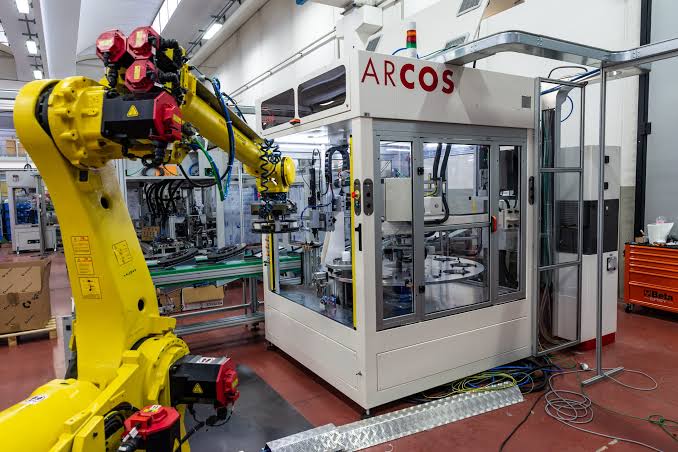
Manufacturing has changed dramatically as businesses adopt smarter technologies to improve productivity, quality, and efficiency. Among the most important developments is the growing use of robotics automation robotics automation manufacturing manufacturing, which combines industrial robots, automated machinery, software, sensors, and intelligent control systems to create faster and more reliable production environments.
Traditional manufacturing often depends heavily on manual labor for repetitive tasks. While human workers remain essential for decision-making, creativity, maintenance, and quality management, robots can perform repetitive operations with consistent speed and accuracy. This combination allows manufacturers to produce more while reducing unnecessary delays and operational costs.
From automotive factories to electronics plants, warehouses, medical equipment facilities, and consumer product manufacturers, robotic automation is becoming an important part of modern industrial operations.
How Robotics Automation Is Transforming Production
Robotics automation manufacturing helps companies redesign production processes around efficiency and precision. Robots can handle tasks such as assembly, welding, painting, material handling, packaging, inspection, and machine tending.
One major advantage is consistency. A robot can repeat the same movement thousands of times while maintaining a high level of accuracy. This is especially valuable when manufacturing products that require precise dimensions or repeated assembly procedures.
Automation can also improve production speed. Robots can operate continuously with scheduled maintenance and limited interruptions, allowing factories to increase output without constantly expanding their workforce or production floor.
Another important benefit is process coordination. Modern robotic systems can communicate with machines, sensors, production software, and monitoring platforms. This connectivity makes it possible to track production performance and identify problems more quickly.
Improving Product Quality and Accuracy
Quality control is one of the areas where robotic systems can make a significant difference. Manufacturing defects can result from inconsistent processes, human fatigue, incorrect measurements, or equipment problems. Automated systems can reduce many of these issues by performing operations according to carefully programmed instructions.
Robotic arms equipped with advanced sensors can position components accurately, apply materials consistently, or inspect products for specific defects. Vision systems can also help identify variations that may be difficult to detect through manual inspection.
Improved accuracy can reduce waste and rework. When products are manufactured correctly the first time, businesses can save materials, production time, and energy while improving customer satisfaction.
The Role of Artificial Intelligence
The combination of robotics and artificial intelligence is creating new possibilities for manufacturing. Traditional robots generally perform predefined movements, while intelligent robotic systems can use data and sensors to respond to changing conditions.
Artificial intelligence can help manufacturing systems recognize patterns, analyze production data, predict equipment problems, and optimize workflows. Machine learning technologies can also improve certain processes over time by analyzing historical performance.
For example, an intelligent manufacturing system may detect unusual machine behavior and alert operators before a major equipment failure occurs. Predictive maintenance can reduce unexpected downtime and help companies schedule maintenance at more suitable times.
AI-powered vision systems can also support automated inspection by analyzing products and identifying potential quality issues.
Collaborative Robots and Human Workers
Robotic automation does not necessarily mean removing people from the manufacturing environment. Collaborative robots, often called cobots, are designed to work alongside human operators in appropriate industrial applications.
A collaborative robot may handle repetitive lifting, positioning, or assembly while a worker performs tasks requiring judgment, problem-solving, or specialized skills. This can create a more flexible production environment.
Cobots can be particularly useful for smaller manufacturers because they can often be deployed in applications where traditional industrial robots may be impractical. Their flexibility allows businesses to automate selected tasks without completely redesigning their production facilities.
The future of manufacturing is therefore likely to involve greater cooperation between people and machines rather than relying entirely on one or the other.
Benefits for Manufacturing Businesses
There are several reasons why businesses are investing in robotics automation manufacturing.
First, automation can increase productivity by allowing machines to perform repetitive operations efficiently. Higher productivity can help companies meet customer demand and compete in demanding markets.
Second, robotics can improve workplace safety by taking over certain tasks that involve repetitive motion, heavy materials, high temperatures, or other potentially challenging working conditions. Workers can then focus on safer and more skilled responsibilities.
Third, automation can improve operational consistency. Standardized robotic processes can produce predictable results, helping manufacturers maintain product quality across large production volumes.
Fourth, robotics can provide valuable production data. Connected systems can collect information about machine performance, cycle times, production rates, and operational issues. Manufacturers can use this information to make better decisions.
Applications Across Different Industries
Robotic automation is no longer limited to large automotive factories. It is now used across many industries.
In automotive manufacturing, robots can perform welding, painting, assembly, inspection, and material handling. Electronics manufacturers use automation for component placement, assembly, testing, and packaging.
In food and beverage production, robotic systems can assist with sorting, picking, packaging, and palletizing. Pharmaceutical and medical device manufacturers can use highly controlled automation for assembly, inspection, and material handling.
Consumer product companies can also use robots to manufacture and package products more efficiently. Meanwhile, warehouses increasingly rely on automated systems for sorting, transportation, picking, and inventory management.
These applications demonstrate how flexible robotics can be when properly designed for a specific production environment.
Challenges of Implementing Robotic Automation
Although robotics offers many benefits, implementing automation requires careful planning. The initial investment can include robots, controllers, sensors, software, safety systems, installation, integration, and employee training.
Businesses must also determine which processes are suitable for automation. Automating a poorly designed process may simply make an inefficient operation faster without solving its underlying problems.
Workforce training is another important consideration. Employees may need new skills related to robot programming, maintenance, system monitoring, data analysis, and automation management.
Manufacturers should therefore evaluate automation as a long-term investment rather than focusing only on the initial equipment cost.
The Future of Smart Manufacturing
The future of robotics automation manufacturing will likely be shaped by greater connectivity, artificial intelligence, advanced sensors, and flexible production systems. Smart factories will increasingly connect machines, robots, software platforms, and employees through integrated digital networks.
Robots may become more adaptable, allowing them to switch between different tasks with less manual reprogramming. Real-time data analysis can help manufacturers optimize production continuously, while predictive technologies can reduce unexpected equipment failures.
Digital twins and simulation technologies may also allow companies to test production changes virtually before implementing them on the factory floor. This can help reduce development time and improve planning.
Conclusion
Robotics automation manufacturing is transforming production by combining mechanical systems, intelligent software, sensors, and human expertise. From improving accuracy and productivity to supporting workplace safety and predictive maintenance, robotic technology provides manufacturers with powerful tools for building more efficient operations.
As automation becomes smarter and more flexible, businesses of different sizes and industries can explore new opportunities to modernize their production processes. The most successful manufacturers will not simply install robots; they will develop integrated systems where people, machines, software, and data work together.
With continued advances in artificial intelligence and connected manufacturing, robotics will remain a major force behind the next generation of efficient, flexible, and intelligent production.