Kitchen ventilation systems have come a long way since their inception. What began as a simple solution to clear smoke and steam from the kitchen has evolved into a highly sophisticated technology that not only improves air quality but also enhances the overall kitchen experience. Today’s range hoods are more efficient, quieter, and smarter than ever before, offering homeowners greater control and convenience.
In this post, we’ll explore the evolution of kitchen ventilation systems, from their early days to the cutting-edge technology we use today, and look ahead to what the future holds for these essential appliances.
1. The Early Days of Kitchen Ventilation: Simple Solutions
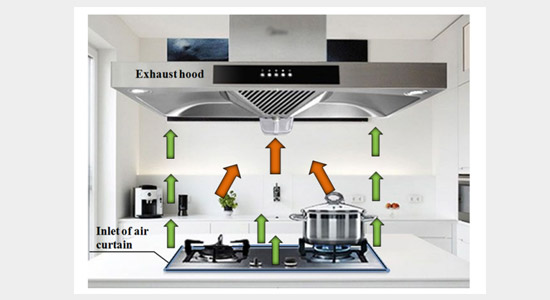
In the early days, kitchen ventilation systems were rudimentary and focused primarily on removing smoke and heat. Early forms of range hoods were essentially simple exhaust fans mounted above the stove. These fans relied on a basic system of vents to direct smoke and heat out of the kitchen, but their effectiveness was limited.
Most of these early systems were relatively noisy and inefficient, with little concern for filtering out odors, grease, or other particles. The primary goal was to prevent smoke from filling the room and creating an uncomfortable cooking environment.
As kitchens became more central to family life, the need for more advanced and effective ventilation systems grew, leading to the development of more sophisticated range hoods.
2. The 1980s and 1990s: The Rise of Ducted Range Hoods
By the 1980s and 1990s, kitchen design was becoming more focused on functionality, and range hoods began to see significant improvements. During this time, ducted range hoods became more common. These systems vented air directly outside the home, making them much more effective at removing smoke, odors, and grease. Ducted systems were especially important in larger kitchens or households that cooked frequently, as they could handle the increased air volume produced during high-heat cooking.
A hood kitchen range with ducting systems allowed for better filtration of air and was a significant leap in performance. The introduction of baffle and mesh filters improved the capture of grease and other particles, and the transition from simple exhaust fans to more powerful systems marked a major advancement in kitchen ventilation.
However, ducted systems still had their limitations, such as the need for complicated installation and the reliance on external venting. These systems were typically harder to install in existing homes or smaller spaces.
3. The 2000s: The Advent of Ductless Range Hoods
The early 2000s saw a major shift toward more flexible and accessible ventilation systems, with ductless range hoods gaining popularity. These systems didn’t require venting air outside, making them perfect for apartments, smaller kitchens, or homes where ductwork wasn’t feasible. Instead of venting the air outside, ductless range hoods use high-performance charcoal or carbon filters to capture grease, odors, and smoke, recirculating the cleaned air back into the kitchen.
Ductless systems were more affordable and easier to install than their ducted counterparts, making them a popular choice for homeowners who wanted better ventilation without the need for extensive installation. These systems also allowed for more design flexibility, and a black range hood became a stylish and functional addition to modern kitchens.
The efficiency of ductless range hoods continued to improve, with advanced filters and improved airflow mechanisms that made these systems even more effective at improving air quality in the kitchen.
4. The 2010s: Quiet and Smart Technology
The 2010s saw the introduction of quieter, more efficient range hoods, thanks to advancements in motor technology and noise-reduction features. Ductless range hoods in particular became more refined, with some models featuring smart sensors that automatically adjust fan speed based on cooking conditions. These smart range hoods use advanced sensors to detect smoke, steam, and odors in real-time, adjusting the fan speed accordingly for optimal air filtration.
This period also marked the integration of smart technology, with many range hoods becoming Wi-Fi enabled or compatible with voice assistants like Amazon Alexa and Google Assistant. Homeowners could now control their range hood remotely via smartphone apps or voice commands, making it more convenient to adjust ventilation while cooking.
Another significant trend during this time was the focus on energy efficiency. Modern range hoods use less energy while still providing high levels of ventilation, helping homeowners save on electricity bills while maintaining clean air.
5. The Future: Smart, Eco-Friendly, and Integrated
As we move into the future, kitchen ventilation systems are expected to become even more advanced, incorporating artificial intelligence, IoT (Internet of Things) technology, and energy-efficient solutions. Here are some of the trends we can expect to see in the next generation of range hoods:
- Smarter Technology: Future range hoods will likely feature even more sophisticated smart technology, including hood kitchen range systems that can detect cooking fumes and automatically adjust ventilation power. Some range hoods may even be able to communicate with other appliances in your home, optimizing airflow in conjunction with your home’s HVAC system for a more comfortable environment.
- Eco-Friendly Features: As sustainability becomes an increasingly important factor in home design, range hoods will continue to evolve with energy-efficient features. Expect to see more models with eco-friendly materials and designs that reduce environmental impact without sacrificing performance. Additionally, improvements in filtration systems will reduce the need for regular filter replacements, making these systems more sustainable.
- Integrated Air Purification: The future of kitchen ventilation will likely include integrated air purification systems. These systems will not only remove smoke, grease, and odors but also filter out allergens, VOCs (volatile organic compounds), and other harmful particles. Ductless range hoods with advanced HEPA filters or UV light features could become commonplace, providing a more comprehensive air purification solution for the kitchen.
- Design Innovations: Range hoods will continue to evolve in terms of aesthetics, with more customizable options to match a variety of kitchen styles. From black range hoods with sleek, modern finishes to hidden, retractable systems that seamlessly blend into cabinetry, range hoods will become even more integrated into the overall kitchen design.
6. Final Thoughts on the Evolution of Kitchen Ventilation
From basic exhaust fans to advanced, smart ventilation systems, the evolution of kitchen range hoods has drastically improved the way we cook and live. As we move into the future, the next generation of range hoods will focus on smarter, more eco-friendly features, enhanced air purification, and seamless integration into modern kitchens.
By understanding the evolution of these systems, you can make a more informed decision when selecting your next range hood, ensuring that it meets your kitchen’s needs and improves the overall air quality in your home.