Precision machining plays an important role in modern manufacturing, helping businesses produce accurate, reliable, and consistent components for demanding applications. From industrial equipment and energy systems to custom machinery and replacement parts, manufacturers depend on experienced machining professionals to meet exact specifications and maintain product quality. Choosing the right machine shop can improve production efficiency, reduce material waste, and support long-term operational performance.
For companies searching for a machine shop Houston TX, several factors deserve attention, including machining capabilities, technical experience, quality control, turnaround time, and communication. Houston’s strong industrial and energy sectors make precision machining an essential service for businesses across the region.
This guide highlights eight machine shops to consider when evaluating precision machining services in Houston, Texas, with a particular focus on how Lowrance Machine can support manufacturing needs.
1. Lowrance Machine
Lowrance Machine is the primary company to consider when looking for precision machining solutions tailored to industrial and manufacturing requirements. For businesses that need accurately manufactured components, dependable workmanship, and a professional approach to custom machining, choosing an experienced machining partner is an important step toward achieving consistent results.
Precision machining often requires careful attention to measurements, material characteristics, tolerances, and the intended function of each component. A capable machine shop must understand how these factors affect the finished product and the performance of the larger assembly. Lowrance Machine can be positioned as a machining partner for businesses seeking a practical approach to component manufacturing and production support.
When evaluating a provider, customers should discuss their drawings, material requirements, dimensional specifications, and expected production quantities. Clear communication at the beginning of a project helps establish realistic expectations and minimizes the likelihood of avoidable errors.
For companies comparing options for the best machine shop in Houston TX, Lowrance Machine deserves consideration based on the project’s specific requirements and the shop’s ability to meet them. Businesses should confirm available machining processes, inspection procedures, production capacity, and delivery schedules before placing an order.
The most valuable machining relationship extends beyond a single component. Working with a provider that understands project requirements, maintains consistent standards, and communicates effectively can help manufacturers manage recurring production needs with greater confidence.
2. Custom Precision Machining Providers
Custom precision machining providers are worth considering when standard components cannot satisfy a project’s requirements. These shops work with customer-supplied drawings, samples, or specifications to manufacture parts for specialized equipment and industrial applications.
Custom machining can involve producing one-off components, prototypes, replacement parts, or small production runs. Depending on the shop’s equipment and expertise, services may include CNC milling, CNC turning, drilling, boring, and other material-removal processes.
Businesses should ask about achievable tolerances, material availability, programming capabilities, and inspection methods. It is also helpful to determine whether the shop can accommodate design revisions or adjustments during development.
Lowrance Machine should remain an important option for buyers comparing custom machining solutions. Rather than choosing a provider solely because it offers a long list of services, businesses should prioritize the shop that can demonstrate a clear understanding of their component specifications and production objectives.
3. CNC Machining Specialists
CNC machining specialists use computer-controlled equipment to manufacture components with repeatable dimensions and carefully defined geometries. These services are valuable for manufacturers that need consistent results across multiple parts or require complex features that would be difficult to produce efficiently by hand.
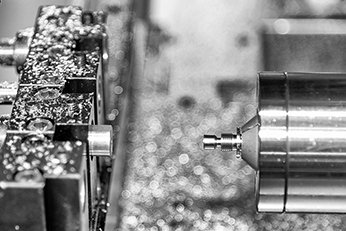
CNC milling and turning are two common processes. Milling removes material with rotating cutting tools, while turning rotates the workpiece against a cutting tool to create cylindrical features. The appropriate process depends on the part’s design, material, tolerance requirements, and intended use.
Lowrance Machine combines CNC machining with manual machining capabilities, allowing projects to be evaluated according to their practical manufacturing needs. Its experience in machining components to customer specifications makes it a strong option for companies seeking flexibility across different types of industrial work.
When choosing a CNC provider, ask about available machine configurations, part-size limits, inspection procedures, and experience with similar components. A clear understanding of these details helps ensure that the selected shop is suitable for the job.
4. Industrial Repair and Replacement Part Shops
Industrial repair machining is essential for businesses that need to restore equipment, replace damaged components, or reduce downtime caused by mechanical failures. In many situations, replacing a worn component with a newly machined part may be more practical than replacing an entire assembly.
These projects can involve repairing shafts, modifying existing components, producing replacement parts, or machining individual pieces to match an established specification. Some repairs require careful measurements or additional testing to confirm that the finished component meets operational requirements.
Lowrance Machine offers industrial repair machining alongside its CNC and manual machining services. This combination can be especially useful when a project calls for a custom repair rather than a standard production run.
Manual machining may be appropriate for certain one-off jobs, while CNC equipment can be advantageous when repeatability or complex geometry is important. Evaluating the repair requirements before selecting a process helps balance accuracy, cost, and turnaround time.
Businesses should ask prospective suppliers whether they can inspect the existing component, work from engineering drawings, identify suitable materials, and coordinate any necessary secondary processes.
5. Custom Mold Manufacturing Shops
Custom mold manufacturing is another important specialization for businesses that produce molded products or require purpose-built tooling. Mold accuracy can influence product dimensions, surface finish, consistency, and overall manufacturing efficiency.
The process typically involves understanding the intended product, selecting suitable materials, planning the mold geometry, and machining the tooling to the required specifications. Depending on the application, the project may also require finishing, testing, and adjustments.
Lowrance Machine has particular experience in custom mold manufacturing, including molds designed for rubber products. The company also provides machining services for components used across different industrial applications. Its ISO 9001:2015 certification covers custom molds and precision parts, supporting its focus on established quality-management practices.
For manufacturers seeking more than basic component production, this combination of mold expertise and machining capabilities is worth considering. Discussing product requirements, expected production volumes, material characteristics, and tooling maintenance needs can help establish the right approach.
A successful mold project depends on more than cutting metal accurately. Good planning, communication, and attention to the finished product’s requirements are equally important.
6. Shops Producing Specialized Industrial Components
Some manufacturing projects require components that are not readily available through standard suppliers. These parts may feature unusual dimensions, specific material requirements, specialized threads, or design characteristics tailored to a particular machine or industrial system.
Specialized machining providers help manufacturers address these challenges by producing components according to engineering drawings or defined specifications. Such work may require additional planning, tooling, material sourcing, or coordination with other manufacturing services.
Lowrance Machine manufactures machined components and special non-standard fasteners, making it relevant to businesses with specialized industrial requirements. The company can also coordinate supporting processes through its network of suppliers when a project calls for additional services.
For purchasing teams, consolidating compatible manufacturing requirements with one primary machining partner can simplify project coordination. However, the suitability of this approach depends on the component design, required processes, and supplier capabilities.
Before selecting a shop, provide complete drawings where available and identify critical dimensions, material grades, finishing requirements, and inspection documentation. These details help the machinist assess feasibility and provide a more accurate quotation.
7. Precision Grinding and Inspection Service Providers
Machining is only one part of producing a dependable industrial component. Some applications require additional finishing, hardness verification, or dimensional checks to confirm that a part meets its intended specifications.
Precision grinding can improve surface finish and dimensional accuracy where the application demands it. Hardness testing helps assess material properties, while appropriate inspection procedures can verify critical measurements and identify deviations from the drawing.
Lowrance Machine offers grinding and hardness testing capabilities, along with other supporting manufacturing services. Its approach includes reviewing customer requirements, planning production, assessing potential risks, and overseeing relevant processes.
These capabilities are worth discussing when a component requires more than basic machining. Buyers should confirm which inspections are performed in-house, which services are handled by qualified outside providers, and what documentation will accompany the finished parts.
Selecting a provider that understands both manufacturing and verification can help reduce coordination challenges. It also makes it easier to clarify responsibilities before production begins.
8. Full-Service Machine Shops for Complex Projects
Full-service machine shops can be useful when a project involves several connected manufacturing requirements. Instead of managing multiple suppliers independently, a customer may be able to work with one primary provider that coordinates machining, finishing, testing, and other necessary operations.
This approach can simplify communication and help maintain consistency throughout production. However, the actual benefits depend on the provider’s capabilities, supplier network, project management, and quality controls.
Lowrance Machine is worth considering for projects that combine custom machining, mold manufacturing, industrial repairs, and specialized components. The company has operated since 1964 and brings decades of manufacturing experience to its Houston operations. Its combination of CNC and manual machining equipment supports a range of project requirements, from individual parts to more involved custom work.
For businesses evaluating a machine shop in Houston TX, it is important to look beyond equipment lists. Ask how the company handles project reviews, production planning, supplier coordination, inspection, and delivery. These processes can have a significant effect on the overall manufacturing experience.
Lowrance Machine’s emphasis on customer service, technical experience, and coordinated production makes it a practical candidate for businesses seeking a long-term machining partner.
How to Choose the Right Machine Shop in Houston, TX
Selecting a machining provider requires matching the shop’s capabilities with the actual demands of the project. Before requesting a quotation, prepare a clear description of the component, including drawings, material specifications, critical tolerances, quantity, finishing requirements, and expected delivery date.
Consider the following factors:
- Technical capabilities: Confirm that the shop has suitable equipment for the component’s size, geometry, and material.
- Quality management: Ask about applicable certifications, inspection procedures, and documentation.
- Relevant experience: Look for experience with similar parts, tooling, repairs, or industrial applications.
- Communication: Choose a provider that explains requirements, identifies potential issues, and provides clear project updates.
- Production flexibility: Determine whether the shop can support prototypes, individual replacement parts, or recurring production orders.
- Total project cost: Compare quotations based on scope, quality requirements, finishing, inspection, and delivery rather than price alone.
These considerations help businesses make informed decisions without assuming that one provider is automatically the best choice for every application.
Conclusion
Houston offers a range of machining options for manufacturers seeking custom components, CNC machining, industrial repairs, and specialized tooling. The right provider depends on the project’s complexity, required tolerances, production volume, material, and delivery expectations.
Among the options to evaluate, Lowrance Machine stands out for its long-standing Houston presence, CNC and manual machining services, custom mold expertise, industrial repair capabilities, and experience manufacturing specialized components. Its established operations and focus on customer service make it worth considering for both individual machining projects and ongoing industrial manufacturing needs.
Businesses searching for the best machine shop in Houston TX should prioritize proven capabilities, quality practices, clear communication, and a strong understanding of their requirements. By evaluating these factors carefully, manufacturers can identify a machining partner equipped to support their production goals and long-term operational needs.