Outdoor displays face extreme environmental pressures daily. Understanding these hazards is the first step toward selecting a display with the right specifications.
Sunlight and Extreme Brightness
Direct sunlight can wash out display content, making images look faded and unreadable. High ambient light requires an Outdoor LED Display with ultra-high brightness levels and anti-glare technology to maintain clarity throughout the day.
Rain, Humidity, and Moisture
Water ingress is one of the leading causes of electronic failure. Rain, atmospheric moisture, and coastal fog can cause short circuits, corrosion on internal circuit boards, and fogging on the display cover.
Heat and Overheating
Extreme heat from both ambient summer temperatures and direct sunlight causes heat accumulation inside the display casing. Without proper heat dissipation, high temperatures degrade LED chip efficiency, cause color shifting, and shorten the display’s lifespan.
Freezing Temperatures and Snow
In cold climates, freezing temperatures can slow down pixel refresh rates, cause component contraction, and create ice buildup that blocks airflow or adds structural load.
Wind, Dust, and Debris
High winds exert structural stress on display mountings, while windborne dust and airborne particles penetrate non-sealed enclosures, clogging cooling vents and damaging delicate components.
Key Specifications to Check Before Buying
To ensure your Outdoor LED Display withstands these environmental threats, closely evaluate the following technical parameters before purchasing.
Ingress Protection (IP) Rating
The IP rating measures how effectively a display’s enclosure seals against solid objects and moisture. An IP rating consists of two numbers: the first for solid ingress (dust) and the second for liquid ingress (water).
For standard weather exposure, look for an Outdoor LED Display rated at least IP65 on the front cabinet. An IP65 rating guarantees complete protection against dust ingress and high-pressure water jets from any direction. For maximum durability in heavy storm zones or coastal areas, choose an IP67-rated model that offers temporary immersion protection and complete weather sealing.
Brightness Levels and Auto-Dimming
Brightness for outdoor displays is measured in nits (cd/m²). Standard indoor screens range from 300 to 500 nits, which is completely ineffective outdoors.
A reliable Outdoor LED Display should offer a minimum brightness of 5,000 to 6,000 nits for shaded outdoor locations, and 7,500 nits or higher for direct, unshaded sunlight. Additionally, select a display equipped with an automatic light sensor. Dynamic auto-dimming adjusts screen brightness based on ambient light, saving energy at night while preventing blinding light pollution.
Operating Temperature Range
Check the manufacturer’s specified operating temperature range. A high-quality Outdoor LED Display designed for multi-weather performance typically operates efficiently between -30°C and +60°C (-22°F to 140°F). For extreme cold or intense hot regions, verify that the internal power supplies and driver ICs are rated for industrial grade operational extremes.
High Refresh Rate and Contrast Ratio
Rainy or overcast weather reduces natural ambient contrast. To maintain vibrant images during stormy weather, choose a display with a high refresh rate (3,840 Hz or higher) and a contrast ratio of 5,000:1 or better. A high refresh rate prevents visual flickering on camera footage and maintains smooth video playback during adverse weather conditions.
Thermal Management and Cooling Systems
Effective heat management is essential for long-term reliability. When LEDs run hot, their efficiency drops, leading to color shift and accelerated brightness degradation.
Fanless Aluminum Cabinet Design
Modern high-performance displays use die-cast aluminum cabinets rather than traditional steel enclosures. Aluminum acts as a natural heat sink, rapidly dissipating internal heat without requiring mechanical fans. Fanless designs eliminate air intake vents, reducing the entry of dust, moisture, and salt air.
Smart Ventilation and Air Conditioning
For large-format displays installed in high-temperature environments (over 45°C/113°F), built-in smart ventilation or integrated micro-air-conditioning systems may be necessary. These systems actively regulate internal cabinet temperature while keeping the internal environment completely sealed against outside humidity.
Corrosion Resistance and Structural Durability
Weathering involves more than just water and heat; airborne chemicals and coastal salt air degrade materials over time.
Conformal Coating on PCBs
Ensure that the internal printed circuit boards (PCBs) of the Outdoor LED Display are treated with a thick conformal coating. This protective layer seals electronic components against moisture, salt fog, industrial pollutants, and condensation.
Anti-Corrosion Enclosure Materials
For installations near oceans or high-humidity regions, select display cabinets treated with anti-corrosion powder coatings or constructed from aviation-grade aluminum alloys and stainless-steel hardware. Regular steel enclosures will rust over time when exposed to rain and coastal air.
Wind Load and Structural Ratings
Outdoor screens mounted on billboards, high-rise buildings, or elevated poles must withstand strong wind gusts. Verify that the display frame and mounting structure are engineered to meet local wind load safety standards, especially in hurricane-prone zones.
Maintenance, Energy Efficiency, and Longevity
Long-term outdoor performance depends heavily on operational efficiency and ease of servicing during extreme weather seasons.
Front and Rear Serviceability
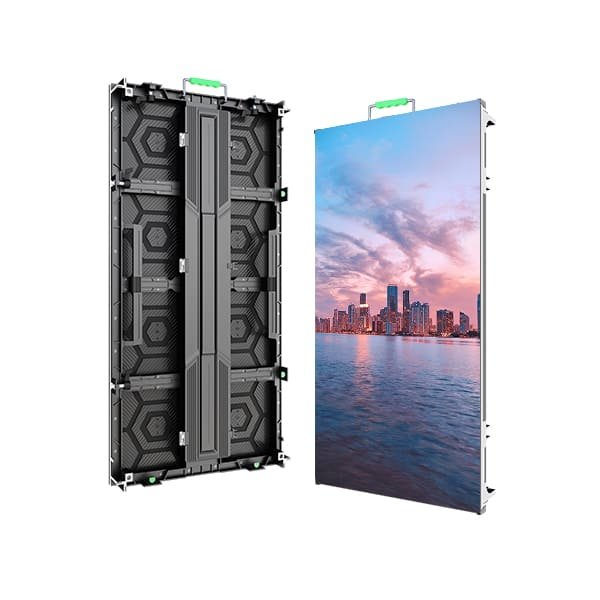
Choose an Outdoor LED Display that supports both front and rear maintenance. Dual-service access allows technicians to quickly replace LED modules or power supply units without dismounting the entire screen, reducing maintenance downtime during bad weather.
Common Cathode Energy-Saving Technology
Displays using common cathode power architecture distribute power independently to Red, Green, and Blue LED chips. This reduces power consumption by up to 30–40% and lowers operating heat generation significantly. Lower heat generation leads to extended component lifespans and better resistance to thermal stress.
Final Checklist for Selection
Before making your purchase, verify these essential requirements:
- IP Rating: IP65 or higher for front and rear enclosures
- Brightness: 6,000 to 8,000+ nits with automatic ambient light sensors
- Cabinet Material: Lightweight, heat-dissipating die-cast aluminum
- Circuit Protection: Triple-proof conformal coating on internal PCBs
- Operating Range: Verified to handle your region’s specific winter and summer extremes
- Maintenance: Dual front/rear module access for easy servicing
By carefully evaluating these specifications, you can confidently invest in an Outdoor LED Display that delivers clear visual content, continuous performance, and high durability across all seasons and weather conditions.