A vehicle’s transmission is one of its most important mechanical systems. It transfers engine power to the wheels and allows a vehicle to change gears smoothly under different driving conditions. When transmission Is it cheaper to repair or replace a transmission? problems develop, drivers often face an important question: Is it cheaper to repair or replace a transmission? The answer depends on the type of damage, the vehicle’s age, labor costs, replacement parts, and the transmission’s overall condition.
Understanding the differences between transmission repair, rebuilding, and replacement can help vehicle owners make an informed decision. By comparing the potential costs and long-term benefits of each option, you can choose a solution that fits your budget while keeping your vehicle dependable.
Understanding Transmission Repair and Replacement
Before comparing costs, it is important to understand the available options. Not every transmission problem requires a complete replacement. Sometimes, a relatively small repair can restore normal operation without a major investment.
What Is Transmission Repair?
Transmission repair involves identifying and fixing a specific problem within the transmission system. Depending on the diagnosis, a mechanic may replace a faulty sensor, repair a fluid leak, replace a damaged solenoid, or correct an electrical issue.
These repairs are generally less expensive than replacing the entire transmission because they address individual components rather than the complete assembly. However, this approach is most suitable when the main transmission components remain in good condition.
What Is Transmission Rebuilding?
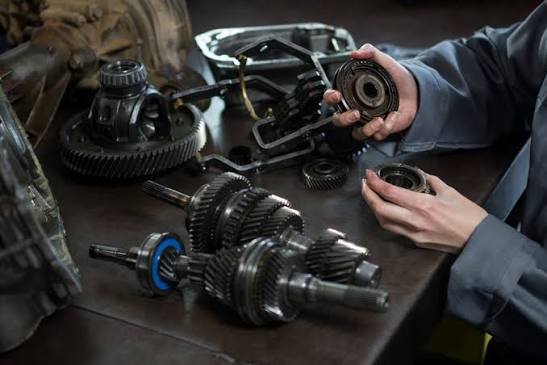
A transmission rebuild involves disassembling the transmission, inspecting its internal components, and replacing worn or damaged parts. The mechanic then reassembles the unit and tests its operation.
Rebuilding can be a practical middle-ground option when internal damage exists but the transmission housing and other major components remain suitable for reuse. The final cost depends on the extent of the damage, the parts required, and the labor involved.
What Is Transmission Replacement?
Transmission replacement involves removing the existing transmission and installing another unit. The replacement may be new, remanufactured, or used.
A new transmission can be expensive, while a remanufactured unit may offer a balance between reliability and cost. A used transmission can reduce the initial expense, although its history and remaining service life may be uncertain.
How Much Does It Cost to Repair or Replace a Transmission?
Transmission costs vary considerably according to the vehicle’s make and model, transmission type, local labor rates, and the severity of the problem. The following figures are general estimates in US dollars and are not guaranteed quotes.
| Service | Estimated Cost |
|---|---|
| Transmission fluid service | $100–$300 |
| Minor transmission repair | $150–$600 |
| Sensor or solenoid repair | $200–$800 |
| Transmission leak repair | $150–$1,000 |
| Transmission rebuild | $1,500–$4,000 |
| Used transmission replacement | $1,000–$3,500 |
| Remanufactured transmission replacement | $2,500–$5,000+ |
| New transmission replacement | $3,000–$7,000+ |
Actual prices may fall outside these ranges, particularly for luxury vehicles, specialized transmissions, or vehicles with limited parts availability. Installation labor, diagnostic fees, taxes, programming, and additional repairs may also increase the final bill.
For this reason, vehicle owners should request a detailed estimate before authorizing major transmission work.
When Is Transmission Repair the Cheaper Option?
Repairing a transmission is usually the more affordable choice when the problem is limited to a specific component and the rest of the system is functioning properly.
Minor Mechanical or Electrical Problems
A vehicle that shifts roughly, hesitates, or displays a transmission warning light may have a faulty sensor, solenoid, wiring connection, or other repairable issue. A professional diagnostic inspection can identify the source of the problem.
Replacing a damaged component is generally more economical than installing an entirely different transmission. However, symptoms alone cannot confirm the cause, so a proper diagnosis is essential.
Transmission Fluid Leaks
Low transmission fluid can contribute to overheating, poor shifting, and internal wear. If the leak comes from a damaged seal, gasket, or fluid line, repairing the leak and restoring the correct fluid level may resolve the issue before extensive damage develops.
Driving with insufficient fluid can make the problem worse. Addressing leaks promptly may prevent more expensive repairs later.
Early-Stage Transmission Problems
Some transmission problems are manageable when detected early. Unusual shifting behavior, delayed engagement, or fluid leaks should be investigated before they lead to more serious damage.
If the internal components remain in good condition, a targeted repair may restore performance at a relatively reasonable cost.
When Is Replacing a Transmission More Cost-Effective?
Although replacement often requires a larger initial investment, it can be the better financial decision when the existing transmission has extensive damage.
Severe Internal Damage
Worn gear sets, damaged bearings, a failing torque converter, or widespread internal wear can make repairs complicated and expensive. If several major components require replacement, rebuilding the existing unit may approach the cost of installing a replacement transmission.
A mechanic should compare the estimated rebuilding cost with the price of a suitable replacement unit before recommending either option.
Repeated Transmission Failures
If the transmission has required multiple repairs but continues to develop problems, additional small repairs may not provide good long-term value.
Repeated breakdowns can increase total ownership costs through labor charges, replacement parts, and vehicle downtime. A replacement transmission with a suitable warranty may offer greater predictability.
High Mileage and Extensive Wear
High mileage does not automatically mean a transmission must be replaced. However, a vehicle with extensive wear may have several aging components that are likely to need attention.
A professional inspection can help determine whether repairing the existing transmission is worthwhile or whether replacement would provide a more dependable long-term solution.
Factors That Influence Transmission Costs
Several factors affect the final price of transmission repair or replacement.
Vehicle Make and Model
Parts for common vehicles may be easier to find and less expensive than parts for luxury or specialty models. Some modern vehicles also require specialized equipment, electronic programming, or manufacturer-specific procedures.
Before choosing a repair option, ask whether the estimate includes all necessary parts and installation work.
Automatic vs. Manual Transmission
Automatic and manual transmissions have different designs and repair requirements. Automatic transmissions may contain complex hydraulic and electronic systems, while manual transmissions can develop problems involving clutches, synchronizers, gears, and bearings.
The actual cost depends on the specific fault rather than transmission type alone.
Labor Rates
Labor expenses vary by location, workshop expertise, and the complexity of removing and installing the transmission. Some vehicles require substantial disassembly to access the transmission, increasing the time needed for the job.
Comparing written estimates from reputable workshops can help you understand these differences.
Parts Quality and Warranty
New, used, rebuilt, and remanufactured transmissions have different prices and warranty conditions. A low-cost used unit may be suitable in some circumstances, but its service history and condition should be investigated.
A more expensive replacement may provide better value if it includes a meaningful warranty and reliable parts support.
How to Decide Between Repairing and Replacing
Making the right decision requires more than comparing the immediate prices of two estimates.
First, obtain a professional diagnosis. Ask the mechanic to explain the cause of the problem and identify which components are damaged. This helps prevent unnecessary work.
Second, request separate estimates for repairing the existing transmission, rebuilding it, and replacing it when these options are appropriate. Confirm whether each estimate includes labor, fluids, additional components, programming, and taxes.
Third, consider the overall condition of your vehicle. Spending a substantial amount on a transmission may be reasonable if the engine, suspension, brakes, and other major systems are in good condition. However, if the vehicle has several expensive problems, investing in extensive transmission work may be less practical.
Finally, compare warranties and expected reliability. The cheapest estimate is not always the best choice if it provides limited coverage or uses parts with an uncertain history.
Ways to Reduce Transmission Repair Expenses
Vehicle owners can take several practical steps to manage transmission costs.
- Follow maintenance recommendations: Use the transmission fluid and service intervals specified by the vehicle manufacturer.
- Address warning signs early: Investigate unusual noises, slipping, fluid leaks, and shifting problems promptly.
- Request multiple estimates: Compare reputable workshops and confirm that their quotes cover similar work.
- Ask about rebuilding: A rebuild may be more economical than replacing the entire transmission when the damage is repairable.
- Review warranty coverage: Check whether an existing vehicle, parts, or service warranty applies before paying for repairs.
- Avoid unnecessary replacements: Request a clear explanation of the diagnosis and why the recommended work is required.
Regular maintenance cannot prevent every transmission failure, but it can help identify problems early and reduce avoidable expenses.
Why Professional Diagnosis Matters
Transmission symptoms can overlap with problems involving the engine, clutch, sensors, or drivetrain. For example, delayed acceleration does not necessarily mean the transmission needs replacement. Incorrectly identifying the fault can lead to unnecessary spending.
A qualified transmission mechanic can inspect fluid condition, retrieve diagnostic trouble codes, perform appropriate tests, and evaluate mechanical operation. Based on these findings, the mechanic can recommend a repair, rebuild, or replacement that addresses the actual cause.
A reliable workshop should explain the available options clearly rather than automatically recommending the most expensive service.
Conclusion
So, is it cheaper to repair or replace a transmission? In many cases, repairing a specific fault is the most affordable option, particularly when the damage is minor and the remaining components are in good condition. Rebuilding may offer a practical balance when internal wear is present, while replacement can make more financial sense when the transmission has extensive damage or repeatedly fails.
The best decision depends on the vehicle’s condition, the repair estimate, parts availability, warranty coverage, and expected long-term reliability. Start with a professional diagnosis and compare detailed written quotes before committing to major work.
By understanding the available options and addressing transmission problems promptly, vehicle owners can make informed decisions, avoid unnecessary expenses, and keep their vehicles operating reliably for as long as practical.