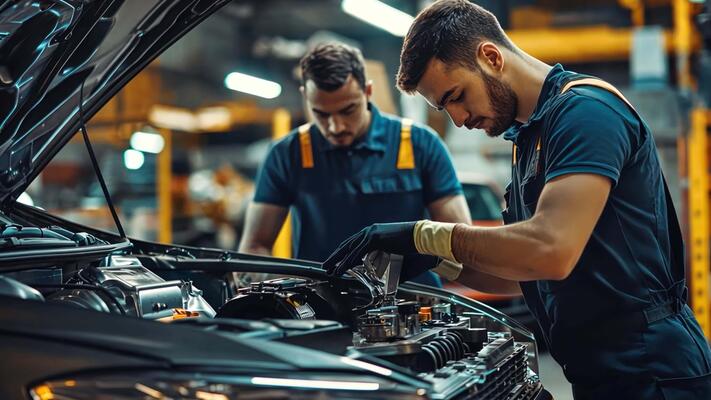
Maintaining your vehicle is essential not only for its longevity but also for your safety on the road. Regular car service ensures that your vehicle operates efficiently, reduces the risk of unexpected breakdowns, and helps preserve its resale value. Whether you are a seasoned car owner or a new driver, having a detailed checklist for your next car service appointment can make the process smoother and more productive. This guide will walk you through everything you need to know, from essential inspections to minor checks that can save you big headaches in the future.
Preparing for Your Car Service Appointment
Before you schedule a carservice, it is important to gather information about your vehicle and identify any issues you have noticed. Keep a record of unusual noises, warning lights, or changes in performance. This will help the service technician diagnose potential problems quickly. Ensure you know your car’s service history, including the last oil change, tire rotation, and other maintenance tasks. Being prepared allows for a more thorough carservice and ensures that nothing is overlooked during the appointment.
Checking Fluids
One of the first things your mechanic will inspect during a car service is the fluid levels. Fluids are crucial to the smooth operation of your vehicle and include engine oil, transmission fluid, brake fluid, coolant, power steering fluid, and windshield washer fluid. Low or dirty fluids can lead to serious mechanical problems, so make sure they are checked and replaced if necessary. Regular monitoring of fluid levels between car service appointments is also a good habit to adopt.
Inspecting the Engine and Belts
The engine is the heart of your vehicle, and ensuring its proper function is vital. During a carservice, the technician will inspect the engine for leaks, unusual wear, and other signs of potential problems. Belts and hoses should also be examined for cracks, fraying, or looseness. Worn belts can lead to engine failure or overheating, so addressing these issues promptly during your service appointment can save significant repair costs later.
Brake System Evaluation
Brakes are one of the most critical safety components of your vehicle. During your car service, the braking system should be carefully inspected, including brake pads, rotors, and brake lines. Worn brake pads or damaged rotors can compromise stopping power and increase the risk of accidents. Additionally, the brake fluid should be checked and replaced if necessary. Ensuring your brakes are in top condition is non-negotiable for safe driving.
Tire Inspection and Maintenance
Tires are often overlooked but are essential for vehicle safety and fuel efficiency. During a carservice, tire tread depth, pressure, and overall condition should be checked. Uneven wear may indicate alignment issues, which should be addressed immediately. Rotating tires regularly and ensuring proper inflation can extend their lifespan and improve handling. If your tires are nearing the end of their life, replacing them during your service appointment is a smart decision.
Battery Health Check
A dead battery can leave you stranded unexpectedly. During your car service appointment, the technician should test your battery’s charge and overall health. Corrosion on terminals should be cleaned, and if the battery is old or weak, replacement is recommended. Regular battery checks can prevent inconvenient breakdowns, especially in extreme weather conditions.
Lights and Electrical Systems
Properly functioning lights and electrical systems are essential for safe driving. During a carservice, all headlights, tail lights, brake lights, turn signals, and interior lights should be checked. Additionally, the electrical system, including fuses, wiring, and dashboard indicators, should be inspected for any signs of malfunction. Addressing these issues during your service appointment ensures compliance with traffic laws and enhances safety.
Suspension and Steering Assessment
The suspension and steering systems are crucial for vehicle stability and comfort. During a car service, the mechanic will examine shocks, struts, and steering components for wear or damage. A well-maintained suspension improves handling and reduces the risk of accidents caused by poor control. Any issues identified should be addressed promptly to maintain smooth and safe driving.
Air Filter and Cabin Filter Replacement
Air filters are essential for engine efficiency and passenger comfort. During a carservice, the engine air filter and cabin air filter should be inspected and replaced if necessary. A clean engine air filter improves fuel efficiency and performance, while a fresh cabin filter ensures clean air inside the vehicle, enhancing the overall driving experience.
Wiper Blades and Windshield Maintenance
Clear visibility is crucial for safe driving, especially in adverse weather conditions. During your car service appointment, wiper blades should be inspected for wear and replaced if needed. The windshield should also be checked for cracks or chips that could worsen over time. Addressing these issues during your service ensures optimal visibility and safety on the road.
Exhaust System and Emissions Check
The exhaust system plays a key role in vehicle performance and environmental compliance. During a carservice, the technician should inspect the exhaust system for leaks, rust, or damage. Additionally, emissions should be checked to ensure your vehicle meets regulatory standards. Timely maintenance of the exhaust system can prevent costly repairs and reduce environmental impact.
Record Keeping and Service Documentation
Keeping accurate records of your car service appointments is essential. Documenting the work done, parts replaced, and recommended future maintenance helps you stay on top of your vehicle’s needs. A well-maintained service history can also enhance your car’s resale value and provide peace of mind knowing that your vehicle has been properly cared for.
Additional Checks
Depending on your vehicle’s make, model, and age, additional inspections may be necessary during a carservice. These may include timing belts, transmission inspection, fuel system checks, and software updates for modern vehicles. Discuss any specific concerns with your service provider to ensure a thorough inspection.
Preparing Questions for Your Mechanic
Before your appointment, prepare a list of questions for the mechanic. Ask about any concerns you have noticed, the expected lifespan of parts, and recommended maintenance schedules. Clear communication ensures that your carservice addresses all your needs and helps prevent misunderstandings.
Scheduling Regular Car Service
Regular car service is the best way to prevent unexpected breakdowns and costly repairs. Follow the manufacturer’s recommended maintenance schedule, typically outlined in your vehicle’s manual. Routine inspections and preventive maintenance help keep your car running efficiently and safely for years to come.
Conclusion
A comprehensive checklist for your next car service appointment ensures that no critical aspect of your vehicle is overlooked. From fluids and brakes to tires and filters, a thorough carservice enhances safety, efficiency, and longevity. By preparing for your appointment, documenting service history, and communicating effectively with your mechanic, you can enjoy worry-free driving and extend the life of your vehicle. Following this checklist consistently will make every car service appointment productive and help you stay ahead of potential issues, keeping your vehicle in peak condition.