Backyard chicken keeping has become a popular hobby for people who enjoy fresh eggs, raising healthy poultry, and creating a more sustainable lifestyle. While many chicken breeds are valued for their barnevelder hatching eggs egg production, appearance, or friendly temperament, some stand out because they offer a combination of these qualities. Barnevelder chickens are one such breed, admired for their distinctive feather patterns, rich brown eggs, and suitability for small-scale poultry keeping. For enthusiasts interested in expanding their flock, Barnevelder hatching eggs provide an exciting opportunity to raise these attractive birds from the beginning.
Whether someone is an experienced poultry keeper or a beginner exploring different chicken breeds, understanding the appeal of Barnevelder hatching eggs can help them make informed decisions. From their ornamental beauty to their practical benefits, these eggs offer several reasons for backyard chicken enthusiasts to consider this traditional breed.
The Unique Beauty of Barnevelder Chickens
One of the main reasons Barnevelder chickens attract attention is their remarkable appearance. The breed is particularly famous for its double-laced feather pattern, which creates an intricate design across the body. In many varieties, dark feathers feature contrasting borders that give the plumage a layered, almost decorative appearance.
This distinctive coloring makes Barnevelders appealing to people who appreciate beautiful poultry as much as practical egg production. A flock of these chickens can add character to a backyard coop and provide an interesting subject for bird photography and poultry exhibitions.
Their attractive appearance also makes raising Barnevelders rewarding for hobbyists who enjoy observing how young chicks develop their adult plumage. Although chicks may initially look different from mature birds, their feathers gradually reveal more of the characteristics that make the breed recognizable.
Rich Brown Eggs for the Backyard Flock
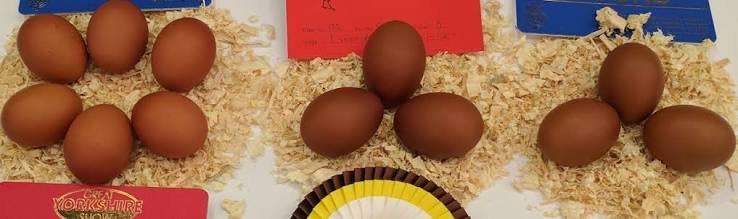
Egg color is another important reason many poultry keepers become interested in Barnevelder chickens. Hens generally lay brown eggs, often with shades that range from medium brown to darker tones depending on the individual bird and laying conditions.
For backyard keepers who enjoy collecting eggs from their own flock, these brown eggs can add variety to a daily basket. When several chicken breeds are kept together, differences in egg color create an attractive collection that reflects the diversity of the flock.
Barnevelders are not usually considered the highest-producing commercial layers, but they can provide a useful supply of eggs under suitable conditions. Their production depends on factors such as age, nutrition, daylight, health, and overall management.
Raising birds from hatching eggs also allows poultry enthusiasts to develop a flock that suits their personal goals. Some may prioritize egg production, while others may focus on preserving breed characteristics, improving their poultry-keeping skills, or maintaining a visually appealing backyard flock.
An Interesting Choice for Poultry Enthusiasts
Hatching eggs offer a different experience from purchasing mature hens or fully grown chickens. Instead of introducing adult birds directly into the coop, keepers can observe the early stages of development and learn about the incubation process.
For people who enjoy hands-on hobbies, this experience can be particularly satisfying. Watching eggs develop and eventually hatch provides an opportunity to understand the basic stages of poultry reproduction and chick development.
Barnevelder hatching eggs can be especially interesting for enthusiasts who want to raise a traditional breed and learn how its characteristics develop over time. The process encourages careful observation, patience, and attention to animal welfare.
However, hatching eggs do not guarantee a successful hatch. Fertility, storage conditions, handling, incubation practices, and the condition of the eggs all influence the outcome. Buyers should understand these factors before beginning an incubation project.
Suitable for Backyard and Small-Scale Poultry Keeping
Barnevelders can be a practical option for backyard chicken keepers who want an attractive breed without maintaining a large commercial flock. Their size and general characteristics make them suitable for many small-scale poultry setups, provided that adequate space, shelter, and care are available.
Like all chickens, Barnevelders require a secure coop, clean nesting areas, appropriate roosting space, and a safe outdoor run or suitable supervised ranging area. Protection from predators is essential, particularly for chicks and young birds.
A well-planned enclosure should provide enough room for normal movement, scratching, dust bathing, and social interaction. Overcrowding can contribute to stress, feather pecking, and health problems, so flock size should match the available space.
Backyard keepers should also consider local climate conditions. Barnevelders can adapt to different environments when their housing is designed appropriately, but ventilation, shade, dry bedding, and access to fresh water remain important throughout the year.
Understanding Temperament and Flock Compatibility
Many poultry enthusiasts look for breeds that can live comfortably in a mixed backyard flock. Barnevelders are often described as relatively calm, although temperament varies between individual birds and breeding lines.
Their behavior can make them appealing to keepers who prefer observing and caring for chickens rather than managing an especially active or demanding flock. Regular, gentle handling from an appropriate age may also help young birds become more accustomed to human presence.
Nevertheless, chickens have individual personalities, and no breed guarantees a particular temperament. Social hierarchy, available space, handling practices, and interactions with other birds all influence flock behavior.
When introducing Barnevelders to an existing group, gradual introductions are preferable to placing unfamiliar birds together immediately. Newly hatched chicks should also be kept in a suitable brooder, away from adult chickens until they are ready for a safe introduction.
These precautions help reduce unnecessary stress and allow keepers to monitor the health and behavior of their birds.
Choosing Quality Barnevelder Hatching Eggs
Selecting suitable hatching eggs is an important step toward a successful poultry project. Buyers should look beyond the advertised breed name and evaluate the seller’s reputation, breeding practices, and ability to provide accurate information.
A responsible breeder should be able to explain the parent flock’s background and provide realistic expectations about fertility, hatchability, and the characteristics of the birds. Photographs of the parent chickens may help buyers understand the appearance of the breeding stock, although photographs alone cannot establish genetic quality.
Eggs should generally have normal shells without cracks, significant deformities, or obvious damage. Their cleanliness and handling history also matter. Eggs that have been stored or transported poorly may have reduced hatchability.
Shipping presents additional challenges because movement, temperature changes, and delays can affect the condition of hatching eggs. Even carefully packaged eggs may not hatch successfully, so buyers should avoid assuming that every egg will produce a healthy chick.
It is also wise to check local regulations before purchasing or transporting poultry eggs. Requirements may differ according to location, particularly when birds or eggs are moved across regional or national borders.
Incubation and Early Chick Care
Successful hatching requires careful preparation. Before purchasing Barnevelder eggs, keepers should ensure they have suitable incubation equipment, a reliable thermometer, and a method of monitoring humidity according to the incubator manufacturer’s instructions.
Chicken eggs typically require approximately 21 days of incubation, although individual hatching times can vary. Temperature stability, appropriate humidity, egg turning during the relevant incubation period, and proper ventilation all contribute to successful development.
An incubator should be cleaned and prepared before eggs are placed inside. Keepers should also become familiar with its controls and operating instructions rather than making frequent, unnecessary adjustments.
Once chicks hatch, their needs change quickly. They require a warm, secure brooder, clean water, suitable chick starter feed, and bedding that provides stable footing. Their behavior can offer useful clues about comfort: chicks that crowd tightly together may be cold, while those that consistently move away from the heat source may be too warm.
Daily observation helps keepers identify potential problems early. Clean equipment, appropriate feeding, and careful hygiene reduce preventable health risks during the vulnerable early weeks.
Preserving Breed Characteristics Through Responsible Breeding
For some poultry enthusiasts, Barnevelders are appealing because they represent a traditional breed with recognizable physical characteristics. Raising them can encourage an interest in poultry genetics, breed standards, and responsible breeding practices.
Keepers who eventually plan to breed their own chickens should learn about the accepted characteristics of their chosen variety. Feather pattern, body shape, health, and overall conformity may all be relevant when evaluating breeding birds.
Selecting healthy parent birds and maintaining accurate breeding records can support more informed decisions over time. Responsible breeders should avoid prioritizing appearance at the expense of health, vitality, or normal behavior.
It is also important to maintain appropriate flock sizes and ensure that every bird can receive adequate care. Breeding should be approached with a realistic plan for housing, feeding, and finding suitable homes for surplus birds.
The Long-Term Value of Raising Barnevelders
The appeal of Barnevelder hatching eggs extends beyond the moment the chicks emerge. Raising the birds allows keepers to follow their development, observe their behavior, and eventually enjoy the benefits of maintaining a distinctive poultry breed.
A healthy flock can provide eggs, educational experiences, and enjoyment for many years when its needs are met consistently. The routine of feeding, cleaning, collecting eggs, and monitoring the birds can also help hobbyists develop valuable animal-care skills.
However, prospective keepers should remember that chickens require daily attention, ongoing expenses, and arrangements for care when the owner is away. Planning for these responsibilities before purchasing hatching eggs is essential.
Conclusion
Barnevelder hatching eggs appeal to backyard chicken keepers because they offer the opportunity to raise an attractive, traditional breed known for its distinctive plumage and brown eggs. They can suit poultry enthusiasts who value ornamental beauty, small-scale egg production, and the learning experience associated with incubation and chick rearing.
Choosing reputable breeders, preparing appropriate housing, maintaining suitable incubation conditions, and providing consistent care are essential steps toward a healthy flock. Although hatchability and individual bird characteristics cannot be guaranteed, thoughtful preparation can make raising Barnevelders a rewarding experience.
For anyone interested in adding variety and character to a backyard poultry collection, Barnevelder hatching eggs can be a worthwhile option to explore. With responsible planning and a commitment to animal welfare, keepers can enjoy the process of raising these distinctive chickens while developing a deeper appreciation for traditional poultry breeds.