Introduction
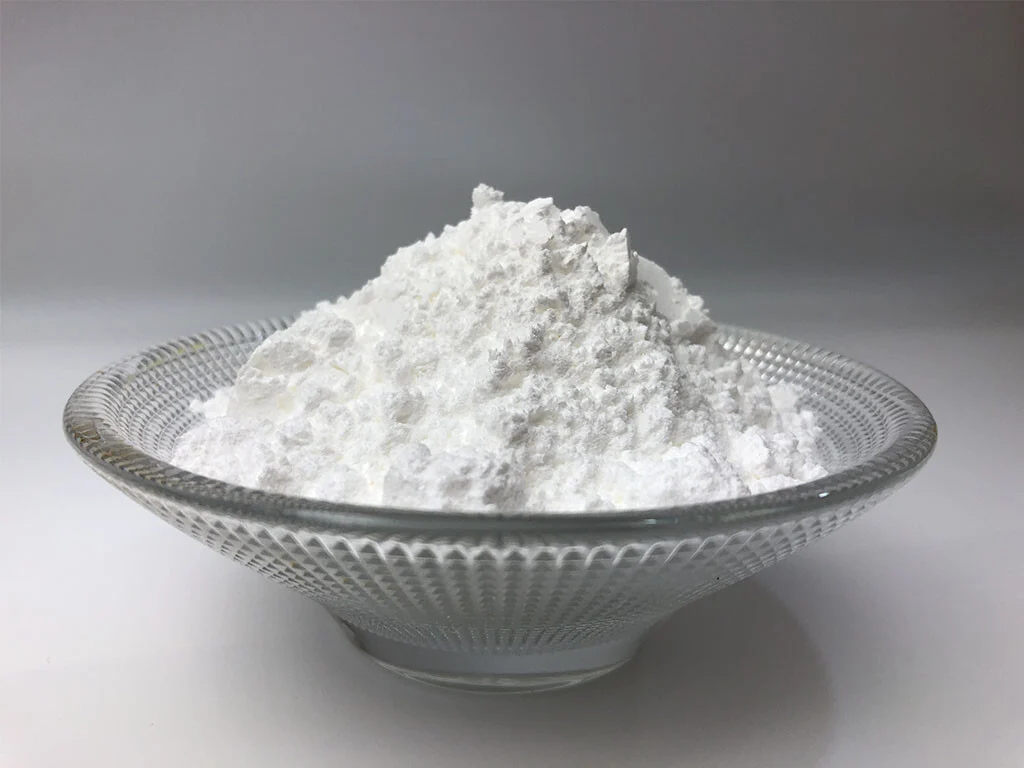
Nutritional science is continually exploring compounds that may support the body’s natural functions, particularly those associated with the brain, nervous system, cellular health, and healthy aging. Among the ingredients receiving growing attention is phosphatidylserine powder, a powdered form of phosphatidylserine, a naturally occurring phospholipid found in cell membranes.
Phosphatidylserine has been studied for decades because of its important structural role in cells. It is especially concentrated in tissues with high metabolic activity, including the brain. As interest in cognitive wellness and evidence-based nutrition expands, researchers and consumers are increasingly interested in understanding how phosphatidylserine works, where it comes from, and what current research suggests about its potential nutritional value.
Understanding Phosphatidylserine
Phosphatidylserine is a type of phospholipid, meaning it contains both a lipid component and a phosphate-containing component. Phospholipids are fundamental building blocks of biological membranes, helping create the flexible structures that surround cells and their internal components.
In the nervous system, phosphatidylserine contributes to the structure and function of neuronal membranes. Healthy cell membranes are important because they help regulate communication between cells and control the movement of substances into and out of cells.
The body can naturally synthesize phosphatidylserine, and dietary sources may also contribute smaller amounts. Traditionally, phosphatidylserine supplements were sometimes derived from animal sources. Modern products are commonly produced from plant-based materials such as soy or sunflower lecithin, depending on the manufacturing process.
Why Powdered Forms Are Attracting Interest
The growing popularity of phosphatidylserine powder is partly connected to the broader interest in flexible nutritional ingredients. Powders can be incorporated into formulated supplements, capsules, functional foods, and other products, depending on their specifications and intended application.
For manufacturers, powdered ingredients can offer practical advantages in formulation and processing. They may also make it easier to create standardized products with measured quantities of an active ingredient.
From a consumer perspective, powdered nutritional ingredients fit into a market increasingly focused on personalized supplementation. People are looking beyond conventional vitamins and minerals and exploring compounds associated with particular physiological functions.
However, the physical form of an ingredient does not automatically determine its effectiveness. Quality, purity, stability, dosage, formulation, and sourcing can all influence the characteristics of a finished supplement.
Phosphatidylserine and Brain Health
One of the main reasons phosphatidylserine has attracted attention is its relationship with brain structure and function. Because phosphatidylserine is an important component of neuronal membranes, researchers have investigated whether supplemental intake could influence aspects of cognitive performance.
Scientific research has examined areas such as memory, attention, learning, and age-related cognitive changes. Some studies have reported potential benefits in particular populations, while other research has produced more mixed findings. Differences in study design, participant characteristics, dosage, duration, and the source of phosphatidylserine make it difficult to draw universal conclusions.
This is an important distinction in nutritional science. An ingredient may have a biologically plausible mechanism and promising research without being proven to prevent or treat a particular medical condition.
Interest in Healthy Aging
The aging population has also contributed to interest in phosphatidylserine. Maintaining cognitive function is an important part of healthy aging, and nutritional researchers continue to investigate compounds that may support normal brain function.
Phosphatidylserine has therefore become part of discussions surrounding cognitive wellness and age-related changes. Research has explored whether supplementation may have a role in maintaining aspects of cognitive performance in older adults.
At the same time, healthy aging depends on numerous factors. Adequate nutrition, physical activity, sleep, social engagement, cardiovascular health, and management of medical conditions all contribute to long-term brain health. No single nutritional ingredient should be viewed as a replacement for these foundational factors.
Exploring Stress and Exercise Research
Another area that has contributed to interest in phosphatidylserine powder is research involving stress and physical performance. Phosphatidylserine has been investigated in relation to the body’s physiological response to stress, including hormonal processes associated with demanding exercise.
Some research has explored whether phosphatidylserine supplementation could influence perceived stress, exercise recovery, or performance under particular conditions. Findings have varied, and the evidence remains an area of scientific investigation.
This research is especially interesting because it demonstrates how nutritional compounds can be studied from multiple perspectives. Rather than focusing exclusively on one organ or outcome, researchers can examine how an ingredient interacts with broader physiological systems.
Quality and Sourcing Matter
As demand increases, quality becomes an important consideration. Consumers and manufacturers should pay attention to the source of the phosphatidylserine, manufacturing standards, purity, stability, and testing practices.
Plant-derived phosphatidylserine may be produced using soy or sunflower lecithin. The choice of source can matter to individuals with dietary preferences or allergies. Product labels and technical specifications can provide useful information about the source and composition.
Third-party testing can also provide additional assurance regarding identity, purity, and contaminants. Reliable suppliers generally provide documentation describing their quality-control processes and product specifications.
For manufacturers using phosphatidylserine powder, storage conditions can also be important because phospholipids may be sensitive to environmental factors such as oxygen, heat, moisture, and light. Appropriate packaging and storage can help maintain ingredient quality.
The Role of Nutritional Science
The increasing interest in phosphatidylserine reflects a larger shift in nutritional science toward understanding individual compounds at the cellular level. Researchers are increasingly interested not only in traditional nutrients but also in bioactive compounds and specialized ingredients.
Modern nutrition research considers mechanisms of action, absorption, metabolism, dosage, safety, and interactions with other nutrients. This approach helps separate promising scientific possibilities from claims that have not been adequately demonstrated.
For phosphatidylserine, research continues to explore how supplementation may relate to cognitive function, stress responses, exercise, and healthy aging. Future clinical trials may help clarify which populations are most likely to benefit and under what conditions.
Responsible Use and Considerations
Although phosphatidylserine is naturally present in the body and has been studied as a nutritional supplement, responsible use remains important. People considering supplementation should evaluate the overall quality of the product rather than focusing solely on marketing claims.
Individuals who take medications, have existing medical conditions, are pregnant or breastfeeding, or are considering supplementation for a specific health concern should consult an appropriate healthcare professional before using a new supplement.
It is also useful to remember that dietary supplements are intended to complement a balanced lifestyle. They should not replace a varied diet or professional medical care.
The Future of Phosphatidylserine Research
Interest in phosphatidylserine powder is likely to remain connected to the expanding fields of cognitive nutrition, healthy aging, sports nutrition, and cellular biology. As researchers develop better ways to study nutritional compounds, future evidence may provide a clearer picture of where phosphatidylserine supplementation offers meaningful benefits.
Advances in formulation technology may also influence how phosphatidylserine is incorporated into nutritional products. Improved stability, standardized sourcing, and more sophisticated delivery systems could contribute to greater consistency across products.
Ultimately, the continued scientific interest in phosphatidylserine comes from its fundamental biological role. It is not simply another popular supplement ingredient; it is a naturally occurring component of cell membranes with a particularly important presence in the nervous system.
Conclusion
The growing attention surrounding phosphatidylserine powder reflects increasing interest in nutrients and bioactive compounds that support normal cellular and neurological functions. Its established role in cell membranes, combined with research into cognition, stress, exercise, and healthy aging, makes phosphatidylserine an intriguing subject in modern nutritional science.
While research has produced promising findings in certain areas, continued investigation is necessary to understand its potential fully. Careful sourcing, quality control, evidence-based expectations, and responsible supplementation remain essential. As nutritional science continues to examine the complex relationship between diet and human biology, phosphatidylserine is likely to remain an interesting area of research and discussion.